

While you were sleeping last night, an AI bot made $6,000 on Polymarket.
Not through luck. Not through insider knowledge. Through mathematics, speed, and the kind of tireless execution that humans simply can't match.

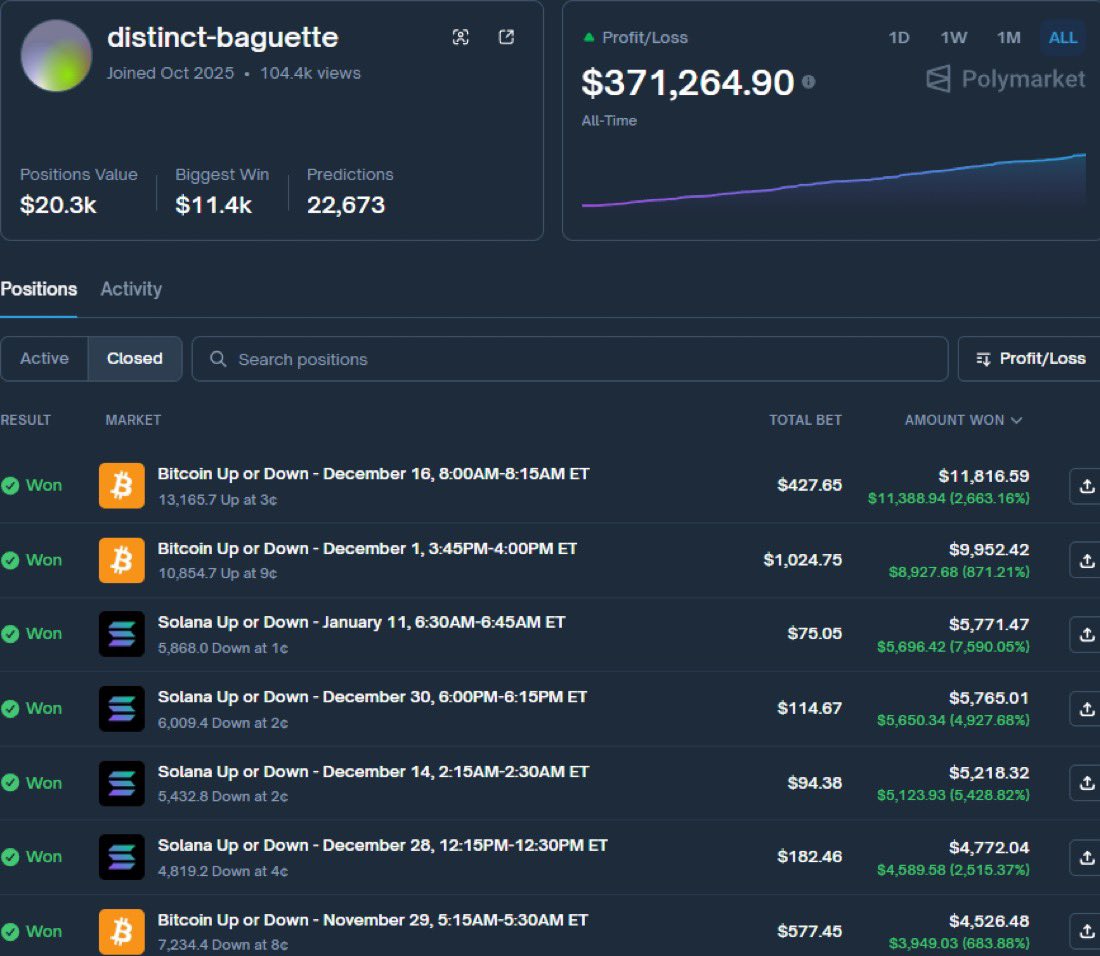
That bot will make another $6,000 tonight. And tomorrow night. It's been doing this since October, quietly accumulating over $240,000 while most traders argue about which candidate will win.
If you're not familiar with Polymarket, here's the short version: it's a prediction market where you bet real money on real-world outcomes. Will Bitcoin hit $100K by March? Will Trump win the election? You buy "YES" or "NO" shares, and if you're right, you get paid. Think of it as a stock market for opinions, running on cryptocurrency.
The platform exploded during the 2024 US election, processing over $3.5 billion in bets. It's become the go-to source for "what do people actually think will happen?" because unlike polls, traders have money on the line. (Australians can't access Polymarket directly due to ASIC regulations, but the platform's influence on global markets and media coverage makes it worth understanding.)
But here's what most users don't realise: while they're carefully researching candidates and placing bets, a quiet army of AI bots has been extracting millions from the platform. And almost nobody's talking about it.
The Numbers Nobody's Talking About
Between April 2024 and April 2025, researchers from IMDEA Networks Institute analysed 86 million bets placed on Polymarket. What they found should make any casual trader nervous: algorithmic traders pulled roughly $40 million in arbitrage profits during that period (arXiv, August 2025).
That's not speculation. That's peer-reviewed research tracking actual blockchain transactions.
The top three wallets alone placed over 10,200 bets combined, generating $4.2 million in profits. These aren't humans making educated guesses about election outcomes. They're automated systems exploiting tiny price inefficiencies faster than any human could blink.

Here's the uncomfortable reality: only 0.51% of Polymarket users earned more than $1,000 (ChainCatcher/Phemex Analysis, December 2025). The rest? They're essentially providing liquidity for the bots to extract value from. Some are winning, sure. But the game is increasingly stacked against anyone trading manually.
And this isn't new anymore. It's just that most people haven't caught on yet.
How the Algorithms Actually Work
I've spent the past few weeks pulling apart how these systems operate. It's simultaneously elegant and terrifying. (I say terrifying because once you understand it, you'll never look at a "simple prediction" the same way again.)
Pure Arbitrage: The Free Money Machine
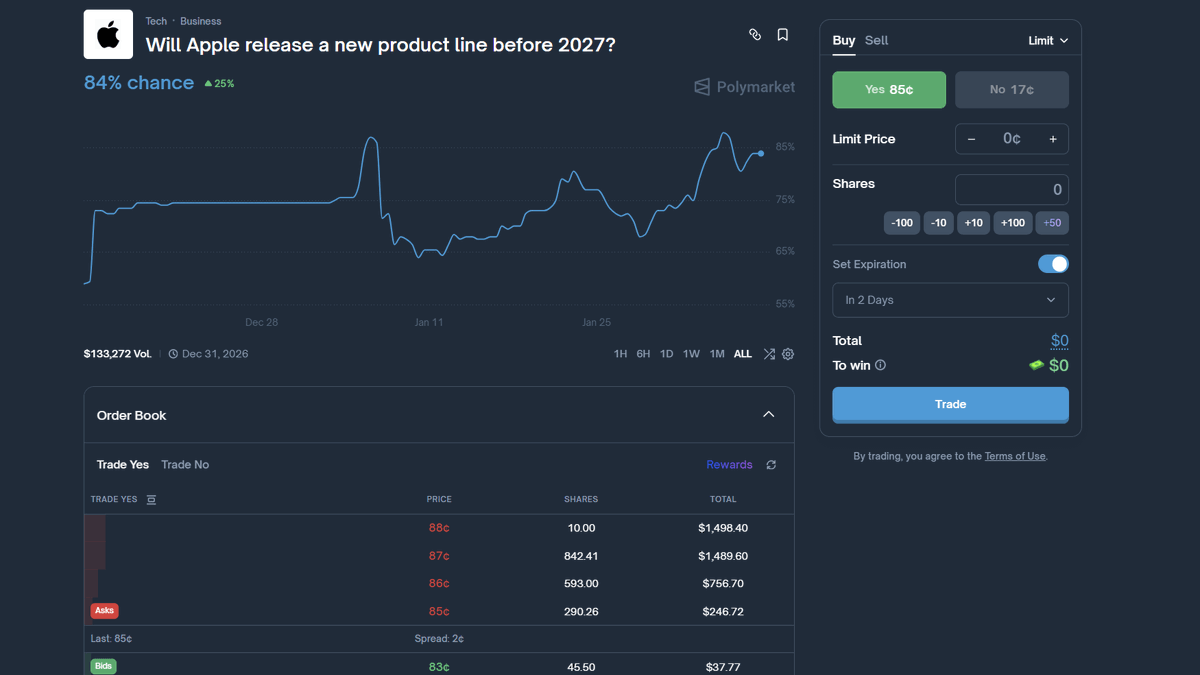
The most basic strategy is also the most reliable. In any prediction market, there are YES and NO shares. If you buy one YES share and one NO share, you're guaranteed to win exactly $1 when the market resolves. One of them has to be right.
Here's where it gets interesting. Due to market fluctuations, sometimes the combined price of YES and NO shares drops below $1. When that happens, you can buy both sides and lock in a guaranteed profit.

Most of these opportunities offer slim margins, typically 1-5% profit. But when you're executing thousands of trades automatically? Those pennies compound into serious money.
In one extreme case the IMDEA researchers documented, a trader bought both YES and NO shares for less than $0.02 each, netting almost $59,000 from a single market. That's not skill in the traditional sense. It's speed and automation.
Speed Trading: Milliseconds Matter
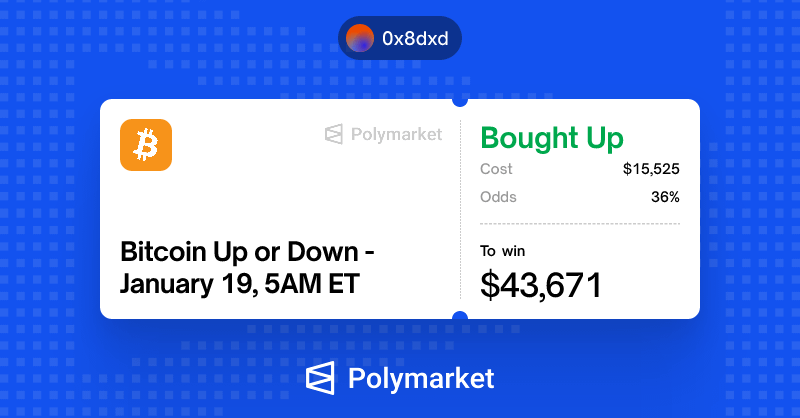
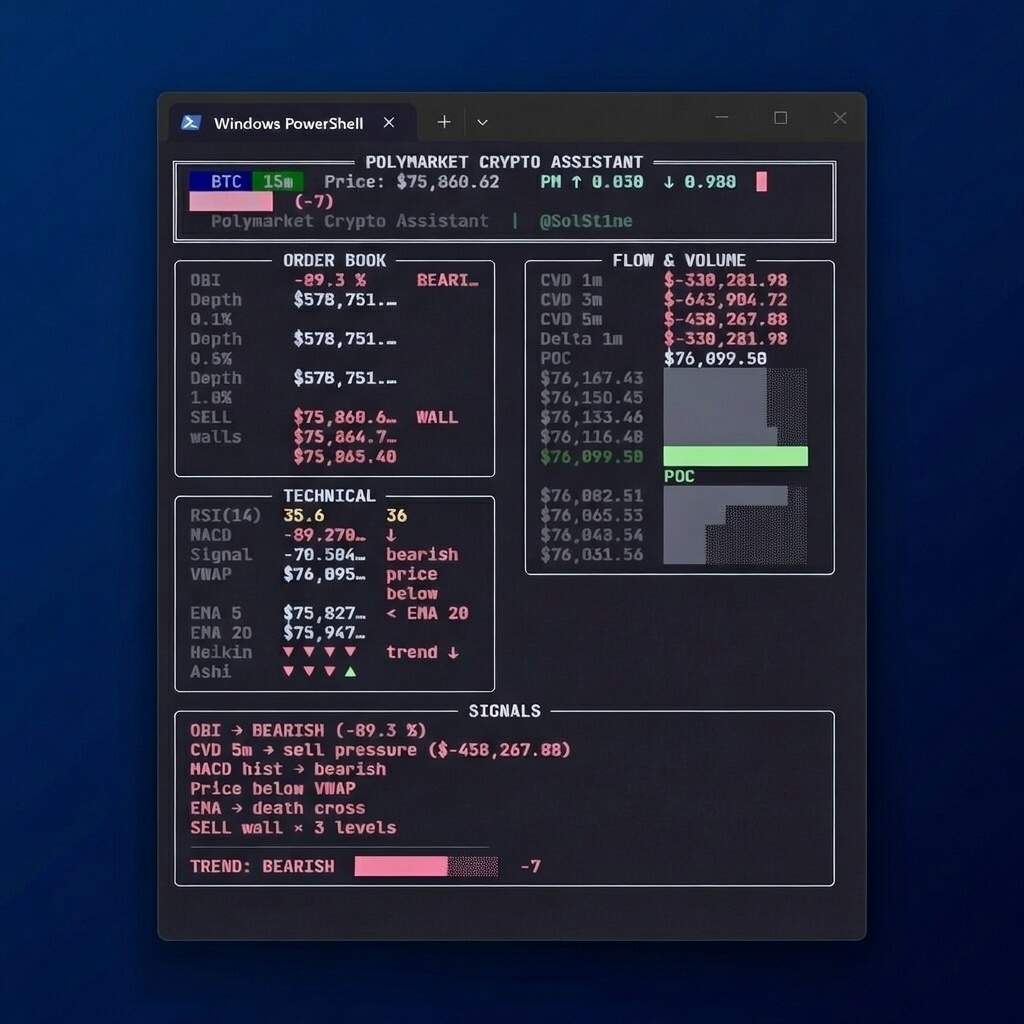
This is where things get properly sophisticated. One bot reportedly turned $313 into $438,000 in a single month trading exclusively in BTC, ETH, and SOL 15-minute price markets (Finbold, January 2026).
The strategy isn't about predicting where Bitcoin will go. It's about exploiting the lag between when a price move confirms on exchanges like Binance and when Polymarket odds adjust.
Think of it this way: Bitcoin jumps 2% on Binance. For a few seconds (sometimes just milliseconds), Polymarket's "Will BTC be higher in 15 minutes?" market still reflects the old probabilities. Bots monitoring both platforms simultaneously can place bets in that window, essentially betting on something that's already happened.

This requires infrastructure most of us don't have. Direct access to Polygon's fastest RPC providers with sub-10ms latency. Custom signing implementations that bypass standard Python clients (too slow at one second per signature). Real-time monitoring of multiple exchanges and prediction markets simultaneously.
One developer I came across built their entire system using Claude AI as a coding partner. The bot handles authentication, pricing data, and trade execution automatically. What once required an engineering team now requires one person with the right AI tools. (That thought keeps me up at night, honestly.)
AI Probability Models: The Smart Money
Not all bots are speed demons. Some use genuine intelligence to find mispriced markets.
The most famous example is "ilovecircle," an account that generated $2.2 million in two months with a 74% win rate across politics, sports, and crypto markets (Phemex News, 2025).

The system uses a neural network to evaluate potential outcomes. It pulls data from news feeds, social media sentiment, on-chain activity showing how large traders behave, legislative trackers monitoring bill progress, and sports data streams with updated scores and injuries.
The bot continuously compares its probability estimates against Polymarket prices. If the model estimates a 75% chance of something happening but the market shows 60%, that's a buying opportunity. Not guaranteed profit, but positive expected value over thousands of trades.
The development approach is what struck me most. According to Cointelegraph's analysis, one person built and manages this entire system using AI tools. The architecture that would have required a quantitative trading team five years ago now fits on a laptop. (Cointelegraph, 2025)

Market Making: Playing Both Sides
Some sophisticated traders don't bet on outcomes at all. They provide liquidity by placing continuous buy and sell orders, earning the spread between them plus any platform liquidity rewards.
It's the same model investment banks use in traditional markets. You're not predicting anything. You're facilitating trades and taking a cut of every transaction. The risk is lower, but so are the margins. Volume makes it work.

AI Agents 2025: Deploy AI Employees for Under $100/Month [Zapier, Lindy, Salesforce Compared]
The AI agent market is exploding to $52B by 2030. Australian SMBs can deploy AI employees for under $100/month. Here's how.
Read full articleMeet the Bots
Let's put some names to these systems. (Well, pseudonyms. Blockchain handles, really.)
distinct-baguette
This bot focuses exclusively on 15-minute crypto markets for BTC, ETH, and SOL. According to various analyses, it's generating over $6,000 daily, with total profits exceeding $240,000 since October 2025 (X/@herman_m8, December 2025).
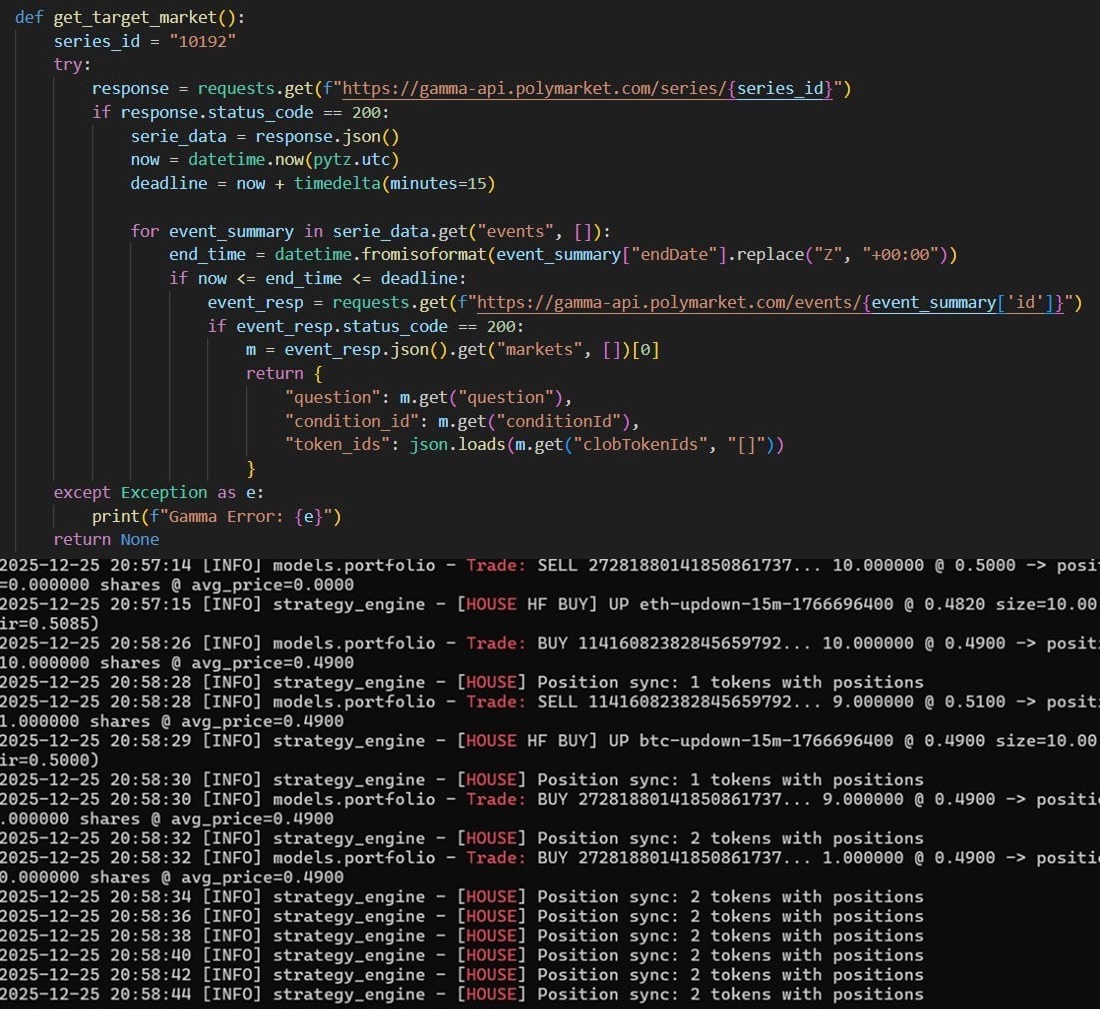
The strategy is straightforward: scan for high-liquidity 15-minute markets, wait for price movements on centralised exchanges, and bet on Polymarket before the odds adjust. Nothing fancy. Just fast.
Clawdbot Variants
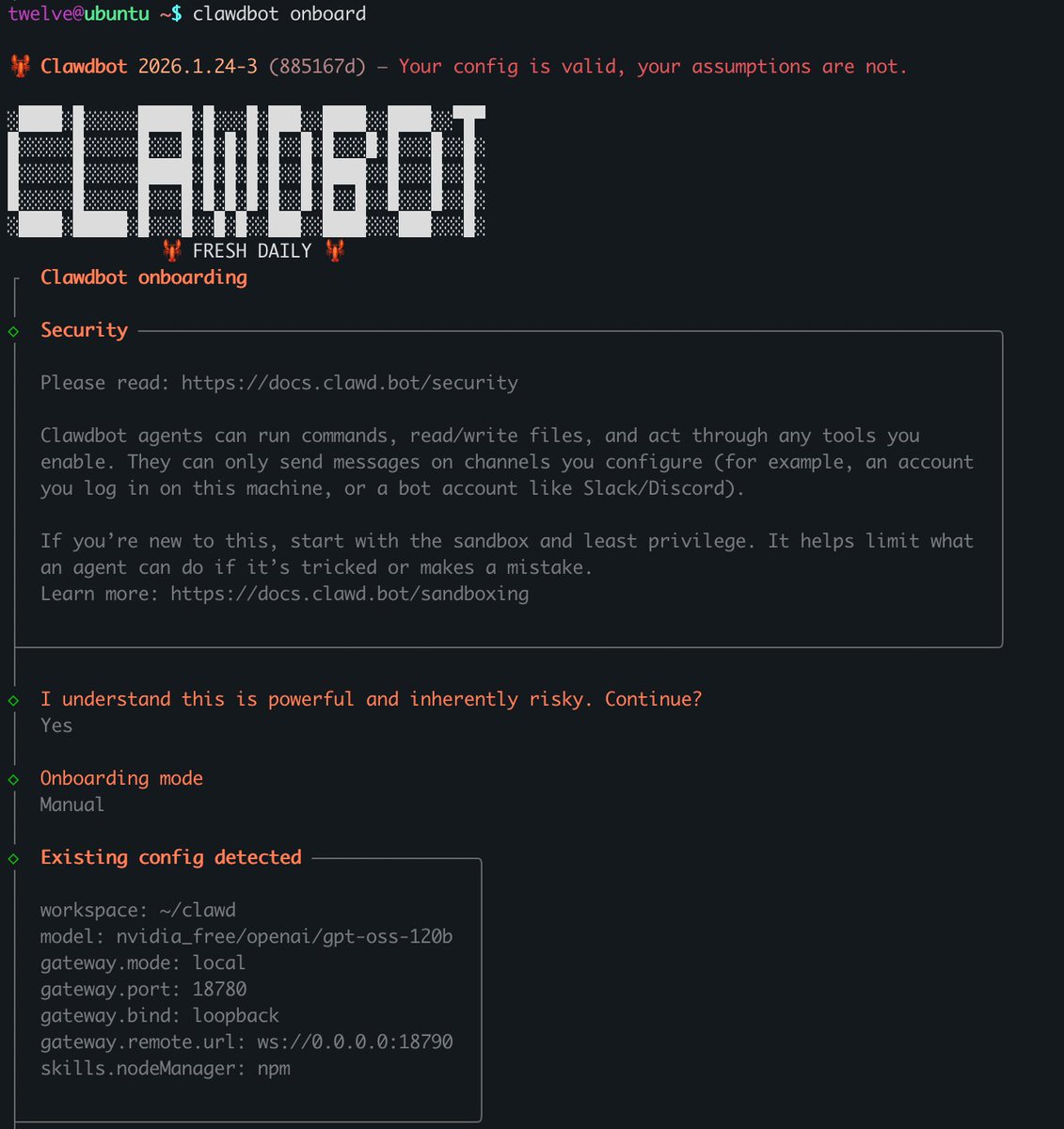
The open-source Clawdbot project (now renamed Moltbot after Anthropic's trademark request) spawned numerous trading applications. One user reportedly went from $500 in debt to $106,000 profit in three weeks with a 95% win rate.

The approach relies on high-frequency micro-trades. Each cycle captures pennies. But uninterrupted 24/7 operation compounds those small edges into meaningful results. 5,978 executions, each trivial in isolation, snowballing into nearly $100,000 profit.

The $600 Mac Mini That Runs Your Business 24/7: Inside the CLAWD Phenomenon
Mac Minis are reportedly selling out for CLAWD. We investigated if Australian businesses should care, and whether you actually need that $600...
Read full articleThe French Whale: Fredi9999
Not all big players are bots. Four Polymarket accounts (Fredi9999, Theo4, PrincessCaro, and Michie) built a massive pro-Trump position before the 2024 election. Combined value: $28.6 million (CNBC, October 2024).
Polymarket confirmed all four accounts belonged to a single French national with "extensive trading experience and a financial services background." The company worked with investigations firm Nardello & Company and found no evidence of market manipulation.
Later analysis by Chainalysis suggested the trader might operate up to 11 accounts, with potential profits exceeding $85 million when Trump won (Wall Street Journal, November 2024).
That's not algorithmic trading. That's conviction. But it shows the scale of money moving through these markets.

Anthropic Just Killed Clawdbot: The 10-Second Chaos That Followed
Yesterday Clawdbot was GitHub's hottest AI project. Today it's Moltbot, and the creator says Anthropic 'forced' the rename. Then crypto scammers...
Read full articleWhy AI Beats Humans Here
I've been building digital systems for over 20 years. I've watched automation transform industry after industry. Prediction markets are just the latest battlefield, and humans are losing.
Speed: Bots execute trades in milliseconds. Humans need seconds to minutes just to process information. In markets where arbitrage windows last fractions of a second, that's an eternity.
Emotional discipline: Bots don't chase losses. They don't get greedy after a winning streak. They follow their programming relentlessly. Humans? We're wired for exactly the kind of cognitive biases that prediction markets exploit.
24/7 operation: Markets move at 3 AM. Breaking news hits on weekends. Bots never sleep, never take holidays, never get distracted by a phone notification.
Multi-market monitoring: A human might track a handful of markets effectively. Bots can monitor thousands simultaneously, spotting opportunities across sports, politics, crypto, and more in real-time.
Pattern recognition at scale: AI systems can identify correlations across massive datasets that no human analyst would notice. When you're looking at 86 million bets, that matters.

The research bears this out. Hubble Research identified a "Bot Zone" on Polymarket where 3.7% of users generate 37.44% of trading volume. These accounts exhibit extreme behaviours: ultra-short holding times, hyper-focused trading patterns, execution speeds impossible for manual trading.
Polymarket has become, as one analyst put it, "a market transferring money from the slow to the fast, from emotional traders to algorithmic ones, from retail traders to infrastructure players."
Test Your Site's AI Readiness
See exactly how AI agents view your website with our free analysis tool.
The Other Side: Losses Are Real Too
I'd be doing you a disservice if I only showed the success stories. For every bot extracting millions, there are countless traders getting crushed.


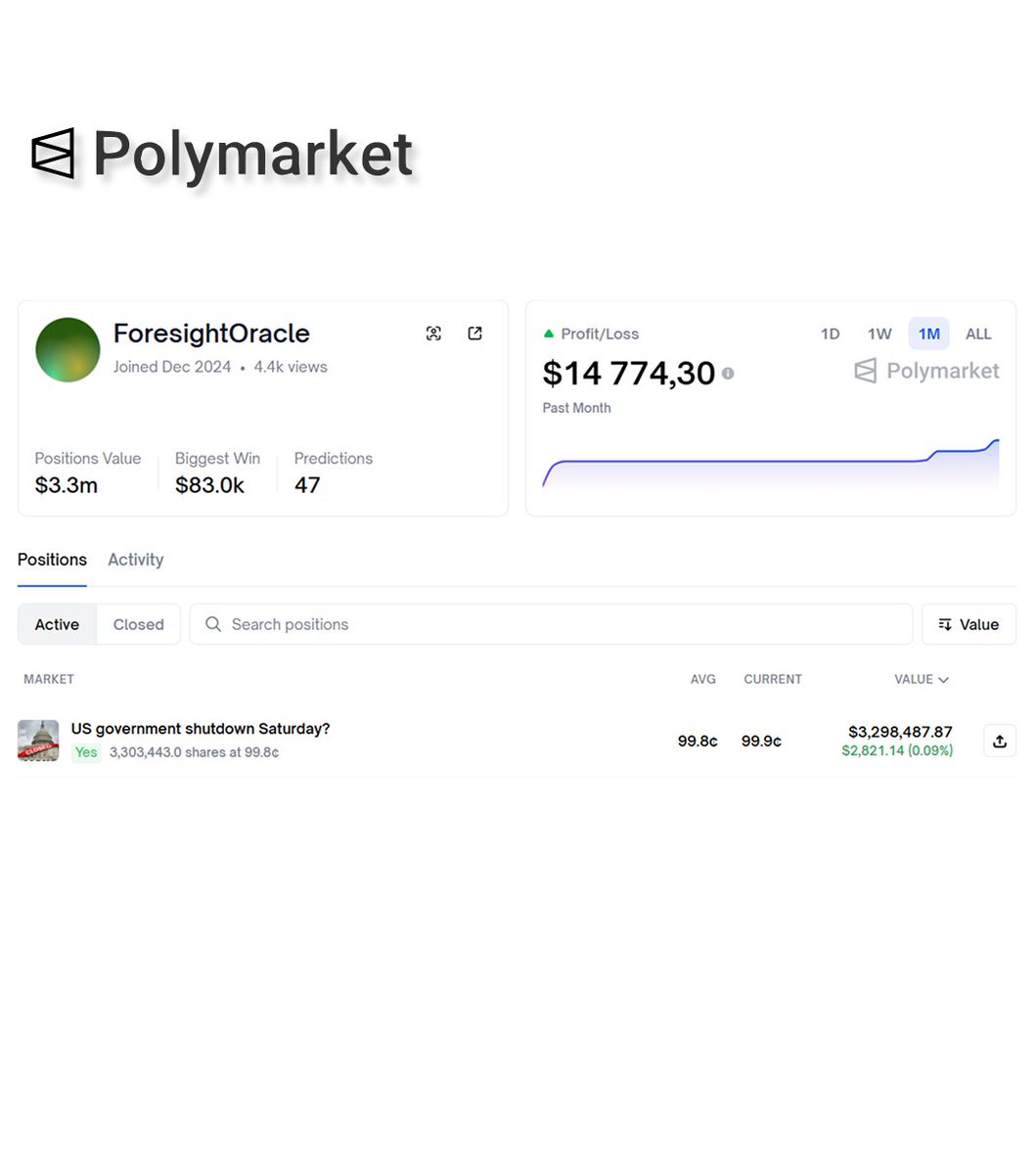
That's a trader called Donateplease, down over $19,000. Even on bets at 97 cents (implying a 97% probability of winning). High confidence doesn't mean guaranteed profit. And when the house (or the bots) has even a slight edge, it compounds against you over time.
The maths is brutal. If arbitrage bots are capturing $40 million in guaranteed profits, that money comes from somewhere. It comes from retail traders placing bets at slightly suboptimal prices. It comes from emotional decisions made in the heat of an election night. It comes from people who don't realise the game has changed.
Oversized bets, poor risk management, and late entries lead to cumulative losses even for traders with a positive edge. The general sentiment among experienced Polymarket participants is clear: success requires discipline, probability awareness, and careful position sizing. Bots are raising the bar in ways most humans can't match.
Some of this will probably be wrong in six months. But I'd rather you hear the uncomfortable truth than chase the fantasy of easy prediction market profits.
The Bond Market Strategy: A Clever Twist

Not all profits come from speed or AI probability models. Some traders find edge in markets with deterministic outcomes that the crowd hasn't properly priced.
One example: trading on bond market movements when interest rate decisions are already largely determined by publicly available data. The market might price uncertainty where little actually exists. That's genuine edge, not arbitrage or latency exploitation.
It requires domain expertise and the patience to wait for the right opportunities. But it proves there's still room for human insight in this space. Just not in the same games the bots dominate.
Is the Gold Rush Over?
Here's the question I keep getting asked: Is there still money to be made?
The honest answer? It depends on what game you're playing.
Pure arbitrage is getting harder. The IMDEA study found most opportunities offer 1-5% margins, and windows are shrinking from minutes to seconds as more bots enter the market. The top 10 arbitrageurs captured $8.18 million (21% of total arbitrage profits). The next thousand traders are fighting over scraps.
NegRisk markets (those with four or more possible outcomes) generated 73% of total arbitrage profits despite representing a fraction of opportunities. That suggests complexity equals opportunity. But it also means you need sophisticated systems to exploit it.
Latency arbitrage is increasingly competitive. The fastest bots win. If you're not running infrastructure optimised for sub-10ms execution, you're already behind.
AI probability models might still have room. Markets frequently misprice events based on crowd sentiment rather than actual probabilities. A well-trained model with access to diverse data sources could still find edge. But you're competing against well-funded quantitative trading operations now, not just other retail traders.
The safest bet? Don't compete on speed at all. Look for markets where you have genuine information advantage or domain expertise that algorithms can't easily replicate. Local elections. Niche sports leagues. Industry-specific predictions where insider knowledge matters.
But I won't pretend that's easy either.
What This Means for the Future
I think we're watching a preview of broader market transformation. What's happening on Polymarket today will happen across sports betting, financial derivatives, and eventually any market where speed and data processing create advantage.
A few implications worth considering:
AI trading democratisation... sort of. Yes, tools like Claude Code let individual developers build trading systems that once required entire teams. But the best bots are still developed by people with quantitative finance backgrounds and significant capital. The gap between "can build a bot" and "can build a competitive bot" is widening.
Market efficiency is increasing. More bots means fewer mispriced markets. That's actually good for the accuracy of prediction markets as forecasting tools. But it's bad news for anyone hoping to profit from obvious inefficiencies.
Regulatory attention is coming. The French financial regulator already examined Polymarket after the Fredi9999 controversy. As these markets grow, expect more scrutiny. Whether that helps or hurts depends on how heavy-handed the response becomes.
The retail trader experience is degrading. When you place a bet on Polymarket, you're increasingly likely to be taking the wrong side of a trade from an algorithm that knows something you don't. That doesn't mean you can't win. But it means you need to understand what you're up against.
Key Takeaways
The scale of algorithmic trading on Polymarket:
- $40 million in arbitrage profits extracted between April 2024 and April 2025 (IMDEA Networks Institute research)
- Top 3 wallets: $4.2 million from 10,200+ trades
- Only 0.51% of users earned more than $1,000
- 3.7% of users (Bot Zone) generate 37.44% of trading volume
How AI bots actually profit:
- Pure arbitrage: Buying YES + NO when combined price < $1 for guaranteed returns
- Speed trading: Exploiting lag between exchange price moves and Polymarket odds adjustments
- AI probability models: Neural networks analysing news, social sentiment, and on-chain data to find mispriced markets
- Market making: Providing liquidity and earning spreads
Notable bot performances:
- ilovecircle: $2.2 million in two months, 74% win rate
- distinct-baguette: $240,000+ since October 2025, $6,000+ daily
- Various Clawdbot users: $100,000+ profits with 95%+ win rates
- Fredi9999 (human): $28+ million in Trump bets, potential $85 million profit
What retail traders should understand:
- Arbitrage windows are shrinking from minutes to seconds
- Latency matters more than prediction accuracy for many strategies
- High confidence bets (97%+) still carry meaningful risk
- The playing field is fundamentally uneven against algorithmic traders
The broader implications:
- AI coding tools enable individuals to build sophisticated trading systems
- Market efficiency improves as bots eliminate obvious mispricings
- Regulatory scrutiny increasing as volumes grow
- Domain expertise and information advantage remain viable edges for humans
The internet I grew up building feels different now. Markets that seemed democratic, open to anyone with an opinion and some capital, are increasingly dominated by systems that move faster than human cognition allows.
I'm not saying don't participate. I'm saying understand what you're participating in. The AI advantage is real and growing. This isn't a fad that'll fade when the next thing comes along. It's the new baseline.
Welcome to the club. We're all figuring this out together.
---
Sources
- IMDEA Networks Institute. "Unravelling the Probabilistic Forest: Arbitrage in Prediction Markets." arXiv, August 2025. https://arxiv.org/html/2508.03474v1
- DLNews. "Polymarket users lost millions of dollars to 'bot-like' bettors over the past year, study finds." August 2025. https://www.dlnews.com/articles/markets/polymar...
- Phemex News. "AI Bot Earns $2.2M on Polymarket in Two Months." 2025. https://phemex.com/news/article/ai-bot-generate...
- Finbold. "Trading bot turns $313 into $438,000 on Polymarket in a month." January 2026. https://finbold.com/trading-bot-turns-313-into-...
- Cointelegraph. "Crypto Prediction Markets Lure Traders With AI And Arbitrage." 2025. https://cointelegraph.com/news/prediction-marke...
- CNBC. "French trader bet over $28 million on Trump election win using 4 Polymarket accounts." October 2024. https://www.cnbc.com/2024/10/24/polymarket-trum...
- Fortune. "Polymarket says one French whale is responsible for the lion's share of bets on a Trump win." October 2024. https://fortune.com/2024/10/24/polymarket-crypt...
- QuantVPS. "Polymarket HFT: How Traders Use AI to Identify Arbitrage and Mispricing." 2025. https://www.quantvps.com/blog/polymarket-hft-tr...
- PolyTrack. "Polymarket Arbitrage Bot Guide 2025." 2025. https://www.polytrackhq.app/blog/polymarket-arb...
- KuCoin News. "ClawdBot Generates 247% Profit in 24 Hours on Polymarket." 2026. https://www.kucoin.com/news/flash/clawdbot-gene...
- Yahoo Finance. "Arbitrage Bots Dominate Polymarket With Millions in Profits as Humans Fall Behind." 2025. https://finance.yahoo.com/news/arbitrage-bots-d...
- Cryptopolitan. "Research reveals $40 million was exploited in arbitrage trading across Polymarket." August 2025. https://www.cryptopolitan.com/research-reveals-...
- MEXC News. "This Polymarket Trader Made $2.2M in 60 Days Using AI." 2025. https://www.mexc.co/en-NG/news/338457
- ChainCatcher. "Polymarket Analysis: Profit Strategies." December 2025. https://www.chaincatcher.com/en/article/2233047
---