

A lawyer in Oregon submitted three filings to a federal court. Those filings contained 23 citations and 8 direct quotations. None of them were real. All of them came from an AI tool. None were checked by a human before they went in.
The combined sanctions against Brigandi and co-counsel Tim Murphy came to roughly $109,700.
I'd love to say this is an unusual story. But it's happened more than 1,200 times in courts around the world, 800 times in US courts alone. In the first quarter of 2026, sanctions for AI-hallucinated content across US courts totalled $145,000. That's a lot of learning the hard way.
This isn't a technology story anymore
Stephen Brigandi's case, ruled on in April 2026 in Oregon federal court, is the headline number right now. But the case that probably deserves more attention came out of Sullivan & Cromwell, one of the most prestigious law firms in the United States. They admitted to a federal judge that their filings contained hallucinated citations. Fictitious case names. Fabricated quotes. Not a solo practitioner cutting corners. A firm that charges $2,000 an hour.

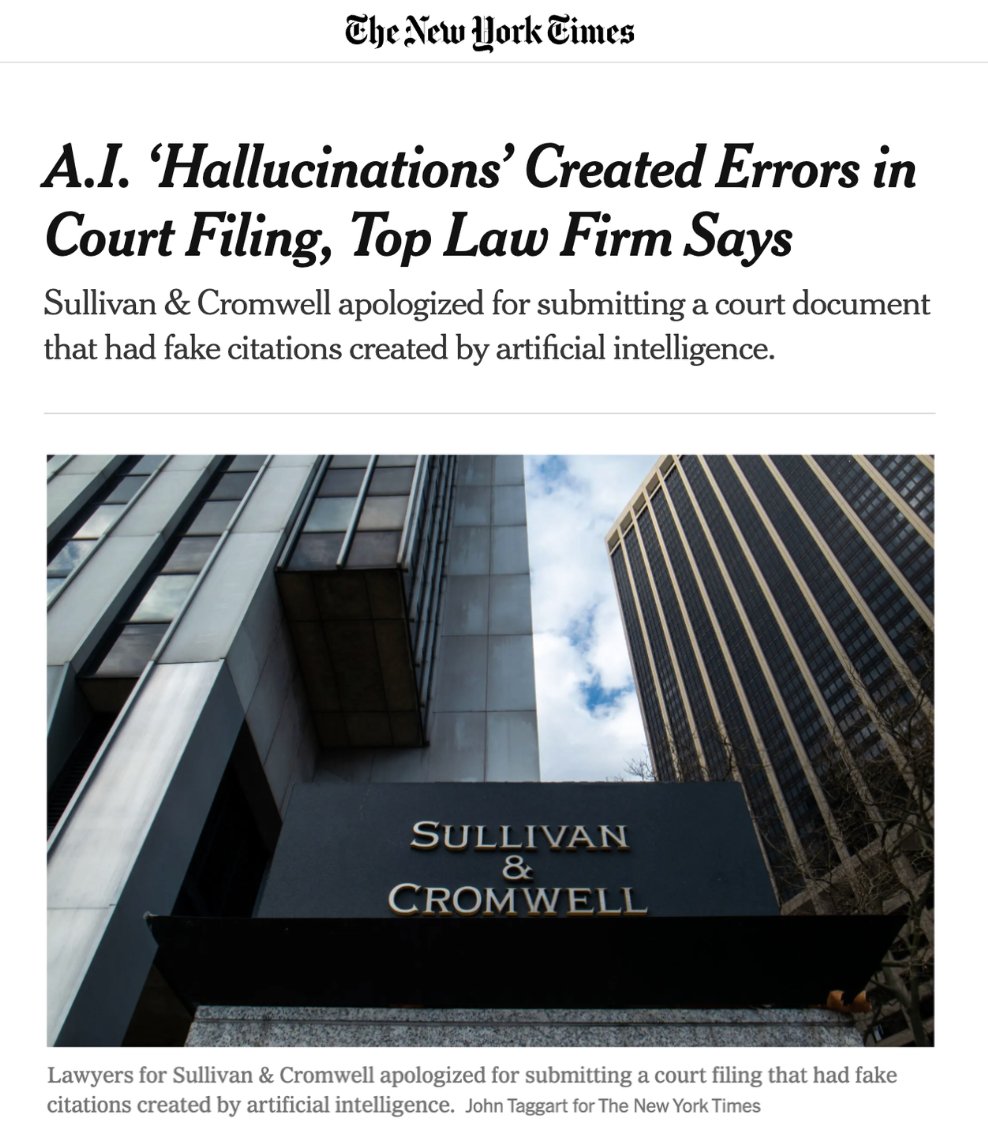
That post reached over a million views on X. I think people were genuinely shocked it could happen at that level.
I'll be honest: I feel some sympathy for the junior lawyers who probably did the actual drafting. One comment that stuck with me: "Every lawyer makes mistakes. AI hallucinations are just a new type. AI seems right and confident. We're all still learning how wrong it can be." That's true. But the court's response to that argument has been to get less patient, not more.
The courts aren't impressed by the excuse
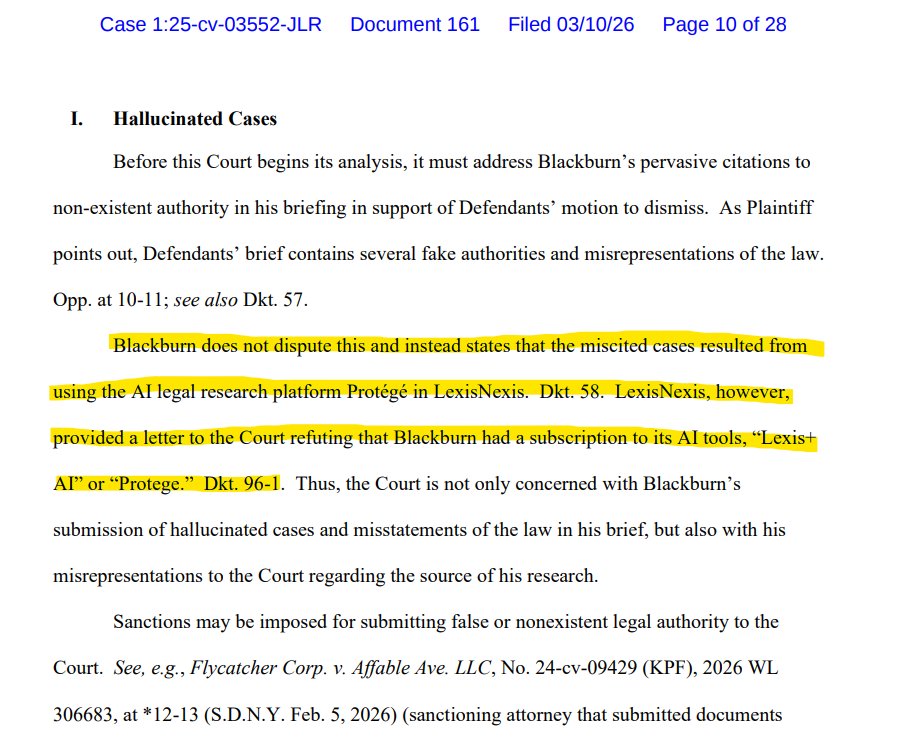
Here's the language one judge used in a separate April 2026 ruling, after a lawyer tried to blame LexisNexis Protege for fake citations:

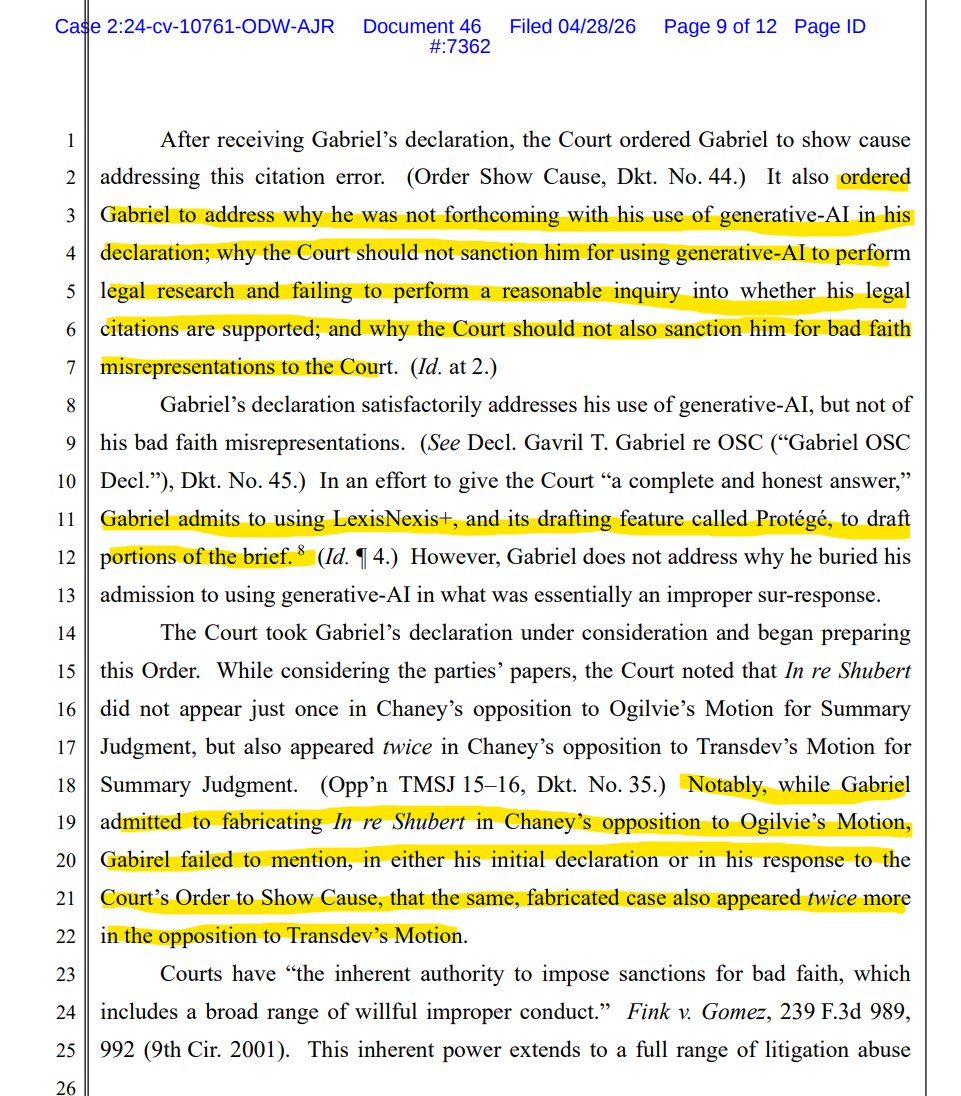
"So well-documented at this point." That's a judge telling the legal profession: you've had enough warning. The grace period is over.
What makes this worse is that the blame-shifting doesn't even hold up factually. When a lawyer tried to pin responsibility on LexisNexis, LexisNexis sent a letter to the court saying the lawyer didn't even have a subscription to the tool they'd blamed.
And in Nebraska, a lawyer didn't just get sanctioned. He got suspended. Sixty-three citations in a brief, 57 of them fake.
The sceptic's point (which is actually fair)
Ross Guberman, who runs BriefCatch and knows legal writing better than most, pushed back on the wave of coverage:
> "The AI hallucination panic has legal looking in the wrong direction. Even top Supreme Court advocates make mistakes with authorities. AI didn't invent citation drift. It just made it visible."
He's not wrong that human error in legal citations predates AI by about as long as law itself has existed. I've seen that argument made about plagiarism detection tools too. They didn't create plagiarism, they just made it catchable.
But I think there's a meaningful difference in scale and confidence. A distracted human lawyer might slip in one wrong case name. AI generates 23 fake citations with the unruffled confidence of someone who's never been wrong in their life. The plausibility is the problem. The best hallucinated citations have perfect formatting, credible-sounding case names, and publication dates that make sense. That's how you get 57 out of 63 past the person who should've caught them.
Stanford and Yale published an independent audit of LexisNexis's AI tools earlier this year. The hallucination rate: 17%. Not a rounding error. Nearly one in five responses from a tool specifically marketed to legal professionals as reliable.
This isn't just a lawyer problem
We caught an AI assistant citing a Gartner report in a proposal draft that doesn't exist. The report had a plausible title, a real-sounding date, and a percentage figure that supported our argument nicely. It was completely made up. We only found it because one of our team happened to have read a lot of actual Gartner output and something felt slightly off.
That's a proposal, not a court filing. But if that number had gone to a client and they'd checked it, the conversation would've been deeply uncomfortable. And "our AI tool generated it" would not have been a satisfying answer.
The same risk exists in technical specifications, marketing claims, financial projections, and anything else that a professional signs off on. The problem isn't that AI tools make things up. It's that they make things up with total confidence, and the output looks exactly like the real thing.
Where this is heading
In Australia, we haven't had a major public sanctions case yet (as of June 2026). The Law Society of NSW and the Victorian Bar have both issued guidance on AI verification in legal work, which suggests they see what's coming. The question isn't whether Australian professionals will face consequences for unverified AI content. It's when.
The practical takeaway is unglamorous. For any content that carries professional weight, verify it. Every citation, every statistic, every claim. Not because AI is inherently untrustworthy, but because AI can't tell you when it's wrong. It doesn't know. It'll state a hallucinated case with the same tone it uses for a real one.
"Read before you submit" shouldn't need to be said. And yet, here we are, $109,700 later.
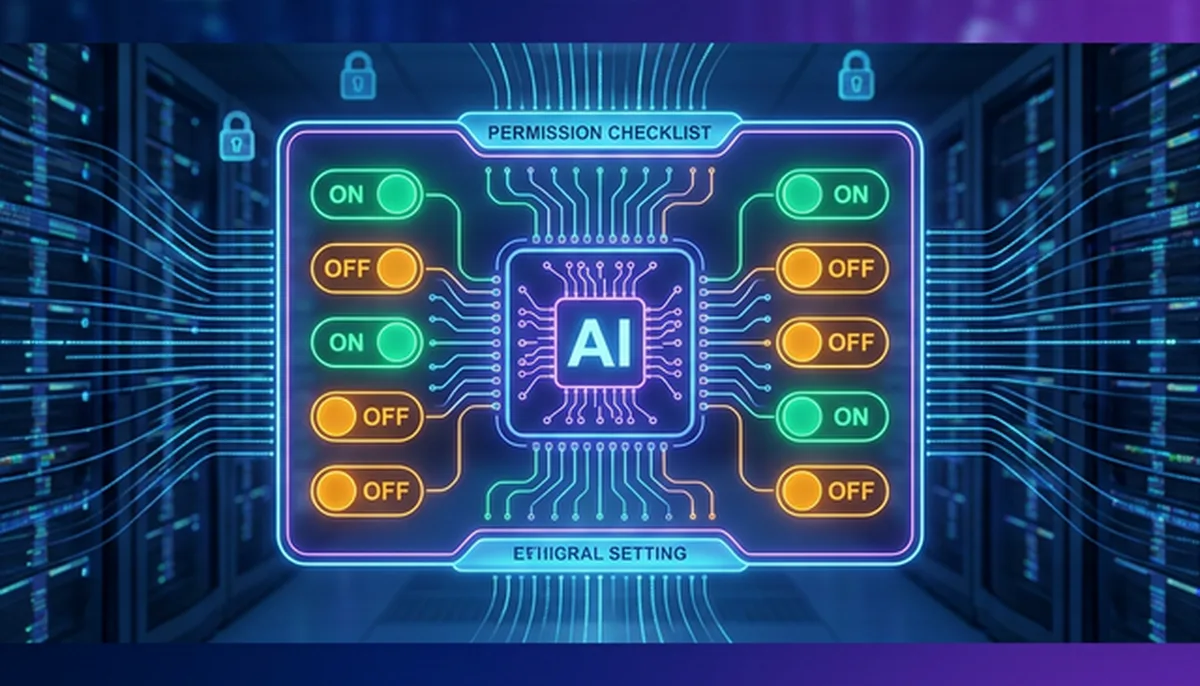
Your AI Tools Already Have a Safety Net. You've Just Never Looked at It.
Every major SaaS tool already has granular AI permission controls built in. You've probably been clicking 'Allow' without reading them.
Read full article---
Sources
- Humyn Labs. "1,200+ documented AI hallucination cases in legal proceedings globally." @humynlabs. April 24, 2026. https://x.com/humynlabs/status/2047664429136028006
- Michael Burry Stock Tracker. "Sullivan & Cromwell AI hallucination admission." @burrytracker. April 22, 2026. https://x.com/burrytracker/status/2046972783465...
- Rob Freund. "Court language: 'so well-documented at this point'." @RobertFreundLaw. April 29, 2026. https://x.com/RobertFreundLaw/status/2049516773...
- Rob Freund. "Lawyer blames Lexis Protege; LexisNexis denies subscription." @RobertFreundLaw. March 11, 2026. https://x.com/RobertFreundLaw/status/2031831407...
- Arslan Iqbal. "Nebraska: 63 citations, 57 fake, lawyer suspended." @thearslaniqbal. April 29, 2026. https://x.com/thearslaniqbal/status/20493270208...
- Simplifying AI. "Stanford/Yale audit: LexisNexis hallucinates 17% of the time." @simplifyinAI. April 21, 2026. https://x.com/simplifyinAI/status/2046419412333...
- Ross Guberman. "AI didn't invent citation drift. It just made it visible." @legalwritingpro. April 24, 2026. https://x.com/legalwritingpro/status/2047780765...
- Logan Brown. "I feel bad for the S&C juniors." @loganbrown799. April 21, 2026. https://x.com/loganbrown799/status/204661414958...