


I've been watching my X feed with the kind of obsessive attention that probably isn't healthy.
Something strange happened on February 2nd. A handful of developers started posting screenshots of error logs from Google's Vertex AI platform. The kind of mundane technical stuff that normally gets ignored. But buried in those logs was a model identifier that shouldn't have been there: claude-sonnet-5@20260203.
That's not a typo. That's Claude Sonnet 5. With a date stamp from February 3rd, 2026.
I've spent the last three days following this story across X, Reddit, Discord servers, and anywhere else developers congregate to speculate about AI models. Here's what I've pieced together, what the rumoured specs mean, and why Anthropic's silence is probably deliberate.
The Leak That Started Everything
God of Prompt dropped the first detailed breakdown I saw:


Let's unpack that for a second. If these specs are even half accurate, we're looking at a major shift in what a "Sonnet" class model can do.
The community response was immediate. Pankaj Kumar's post about the Fennec leaks racked up nearly 6,000 likes in 48 hours:

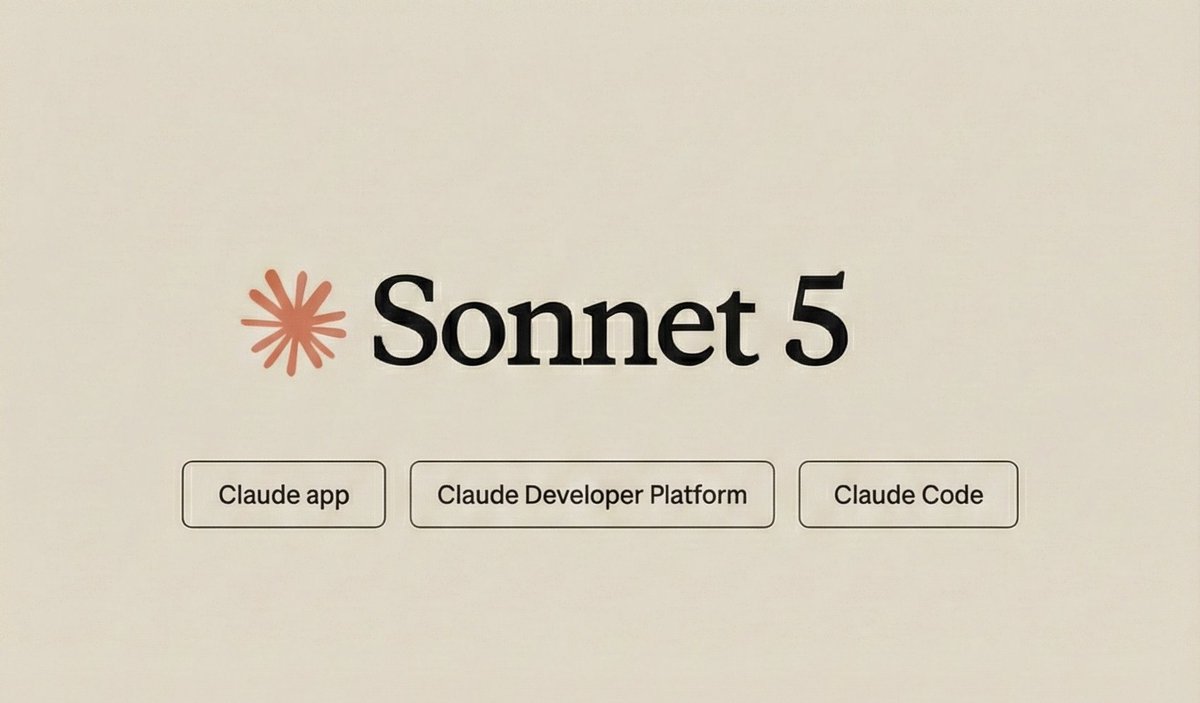
And then? Nothing. No announcement. No confirmation. Just silence from Anthropic.
Decoding the Model ID
Before we get into the rumoured specs, let's talk about what that identifier actually tells us. Because model naming conventions are surprisingly revealing if you know what to look for.
Anthropic's format follows a consistent pattern. Take claude-opus-4-5-20251101 (the current flagship). That breaks down to: model family (claude), tier (opus), version (4.5), and snapshot date (November 1, 2025). The API documentation confirms this structure.
The leaked ID uses the Vertex AI format, which swaps hyphens for the @ symbol: claude-sonnet-5@20260203. Same information, different syntax. The date stamp is February 3rd, 2026. That's yesterday. Or depending on time zones, maybe even today.
What does that tell us? Either this model was compiled in the last 48 hours, or Anthropic's already running it in production somewhere and it accidentally bled through to Vertex AI's logging system. Neither scenario suggests a release months away.
Image could not be loaded: /images/articles/claude-5-leak-log-evidence.png
Vertex AI error log visualization showing the claude-sonnet-5 identifier
The Rumoured Specifications (With Appropriate Skepticism)
Here's where I need to be careful. These specs are unverified. They're coming from leak threads and anonymous sources. I'm including myself in the group of people who really want to believe them, which is exactly why skepticism matters.
The claimed features:
- 50% cheaper than Opus 4.5: Currently, Opus 4.5 runs $5/$25 per million tokens (Anthropic pricing). If Sonnet 5 hits that quality at roughly $2.50/$12.50, it would undercut GPT-5.2's $1.75/$14 pricing whilst (allegedly) matching or exceeding its capabilities.
- 1M token context window: This is the big one. Claude's been stuck at 200K tokens whilst Gemini 3 Pro offers 1M and Gemini 1.5 Pro stretches to 2M (Google documentation). Developers have been vocal about this limitation. There's literally a GitHub issue titled "200K is not enough. Please bring 1M token."
- Parallel sub-agent spawning: The ability to launch multiple concurrent agents from a terminal session. This would be massive for complex workflows.
- "Dev Team Mode": Give it a brief, and agents autonomously build the complete feature. If that sounds too good to be true, yeah, I'm skeptical too.
- 80%+ on SWE-Bench: Current best is around 80.9% from Opus 4.5 (SWE-bench leaderboard). Matching that in a Sonnet-class model would be significant.
Am I treating these as confirmed? Absolutely not. Am I intrigued? Obviously.
The Community Is Losing Its Mind (In an Entertaining Way)
The best part of following this leak has been watching the community's collective emotional rollercoaster.
First, there was the Vercel v0 incident. Their official account tweeted "big day tomorrow." The AI developer community immediately assumed this meant Sonnet 5. Mass hysteria followed. Nothing dropped.
Then Claude's API went down for several hours. Everyone was certain it was the deployment. It wasn't. (Probably wasn't. Who knows anymore.)
Dumbo captured the absurdity perfectly:

That last line kills me. "Someone on Reddit already posted 'has sonnet 5 been nerfed?' before it even exists." We've reached peak AI discourse.
The prediction markets aren't messing around either. According to Astera:

86% odds for a March 31 release based on a leaked error string. That's either wisdom of crowds or collective delusion. (I've spent enough time in prediction markets to know the answer is usually "a bit of both.")
What Developers Actually Want
I've been polling my developer network informally. When I ask "what would make you switch to Claude Sonnet 5," five things come up consistently:
1. The Context Window Problem
This is the pain point I hear most often. Gemini's sitting at 2M tokens. Claude's at 200K. For developers working with large codebases, that gap is brutal.
The developer complaints are pointed: "Context window hard limit of 200K tokens severely restricts complex project workflows requiring extensive documentation, MCP tool definitions, and multi-session state management."
If Fennec genuinely ships with 1M tokens, that's an immediate upgrade for anyone doing serious code work.
2. Better Rate Limits
This was THE complaint with Opus 4.5. I wrote about it extensively in my previous analysis. Developers found themselves hitting walls on the $20 Pro plan whilst Google's Vertex AI offered higher limits for the same Anthropic models. The irony wasn't lost on anyone.
The Register reported that developers were hitting limits within 10-15 minutes of starting work. That's not sustainable for professional use.
3. Faster Reasoning
Extended thinking is powerful. It's also slow. For rapid iteration cycles, waiting 30-60 seconds per response adds up fast. Sonnet 5 allegedly keeps the reasoning quality whilst improving latency. We'll see.
4. Competitive Multimodal
Opus 4.5 deliberately skipped vision improvements. Meanwhile, GPT-5.2 and Gemini 3 have been pushing multimodal capabilities hard. The gap's noticeable, and it matters for developers building products that need to understand images, documents, or screen content.
5. Pricing That Makes Sense
GPT-5.1 is at $1.25/$10. GPT-5.2 is at $1.75/$14. Gemini 3 Pro is at $2/$12. Opus 4.5 is at $5/$25. For a Sonnet-class model to compete, it needs to hit somewhere in that $1.50-$2.50 range whilst maintaining quality.
The Competitive Pressure Is Real
Let's zoom out for a second. Anthropic isn't operating in a vacuum.
GPT-5.2 just dropped. OpenAI released it on December 11, 2025, with genuinely impressive benchmarks. 93.2% on GPQA Diamond. 100% on AIME 2025. 80.0% on SWE-Bench Verified (OpenAI announcement). That last number essentially ties Claude's flagship at coding tasks.
The Apple deal went to Google. In January 2026, Apple announced that Gemini would power the next generation of Siri. Apple reportedly tested Claude but found Anthropic's fees too high. That's a massive consumer market that Anthropic just lost access to.
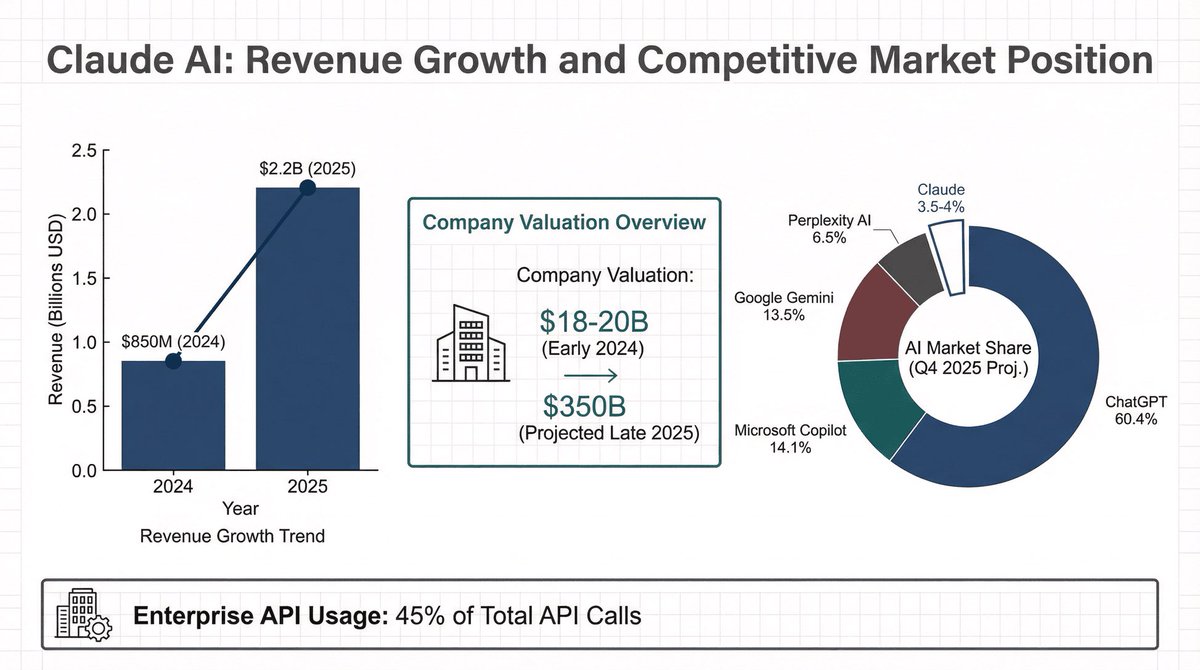
The IPO race is heating up. Anthropic's reportedly raising $20 billion at a $350 billion valuation (TechCrunch). They've hired IPO preparation lawyers. The pressure to ship competitive products isn't just about developers anymore.
In this context, a significant new model release makes strategic sense. You don't go into an IPO with your flagship being outpaced by competitors.
Why Anthropic Isn't Talking
Aakash Gupta nailed this observation:


"The delay is the marketing. The silence is the strategy."
I think that's right. Anthropic's leaked model has been sitting in Vertex AI logs for days now. They could confirm or deny at any point. They haven't.
There are a few possible explanations:
They're building hype deliberately. The leak generates more organic buzz than any announcement. Every AI newsletter (including this one) is writing about it. Every developer forum is speculating. That's free marketing.
They're not ready. The model exists in some form, but final testing isn't complete. The date stamp shows February 3rd, which might be a development build rather than a release candidate.
They're waiting for something. Maybe another company's announcement. Maybe a competitive response they want to preempt. Maybe earnings timing.
Whatever the reason, the silence is doing work for them. And they know it.
The Pattern Recognition Problem
Here's what keeps me up at night about this leak. (And yes, I know that's a cliche, but it's also genuinely true.)
We've seen this pattern before. Benchmark numbers get leaked. Developers get excited. The model drops and... it's good, but it's not transformative. The multi-model reality I wrote about with Opus 4.5 remains true. You still need different tools for different jobs.
Claude Opus 4.5: The Developer Verdict After Two Weeks (It's Not What You'd Expect)
Stellar benchmarks meet brutal rate limits. Here's what developers are really saying about Anthropic's 'best model ever' now that the honeymoon's...
Read full articleIf Sonnet 5 hits 80%+ on SWE-Bench, that matches Opus 4.5. It doesn't exceed it. If it gets a 1M context window, that matches Gemini. It doesn't exceed it. If it costs $2.50 per million tokens, that's competitive with GPT-5.2. It doesn't undercut it dramatically.
I'm not saying that would be disappointing. Matching the best available options at a lower price point would be significant. But it's not the "everything changed overnight" scenario some of the leak threads are suggesting.
The "Dev Team Mode" stuff, where you give a brief and agents build complete features autonomously, that's the speculative part. If that works reliably, that's genuinely new. If it doesn't... well, we've seen agentic promises before.
What I'm Watching For
When Anthropic does announce (and at this point, "when" feels more accurate than "if"), here's what I'll be looking at:
The context window. Is it actually 1M tokens? Is it available at standard pricing, or is there a premium tier like current 1M access requires?
The pricing. Does it compete with GPT-5.1's $1.25/$10, or does it land higher? Anthropic's historically priced premium.
The rate limits. This was the Opus 4.5 killer. Great model, frustrating limits. Have they learned?
The benchmarks versus reality gap. Opus 4.5 hit 80.9% on SWE-Bench but had mixed real-world performance. Will Sonnet 5 translate benchmark scores to actual developer experience?
The agentic capabilities. Parallel sub-agents and "Dev Team Mode" are the most exciting claims. They're also the hardest to evaluate without hands-on time.
My Honest Take
I'm cautiously optimistic. Here's why.
Anthropic's track record with Sonnet-class models is good. Sonnet 4.5 became my daily driver for a lot of coding work. It's fast, it's capable, and it's reasonably priced. If Sonnet 5 improves on that formula whilst addressing the context window limitation, that's a meaningful upgrade.
But I'm also tempering expectations. The rumoured specs sound almost too good. 50% cheaper than Opus, 1M context, parallel agents, autonomous feature building? That's a lot of boxes to check simultaneously.
More realistically, I'm expecting something like: "Sonnet 5 matches Opus 4.5 quality for most coding tasks, costs significantly less, ships with improved context handling, and has better agentic capabilities than current Sonnet." That would be great. It wouldn't be revolutionary.
And that's fine. Incremental improvements that actually work are more valuable than revolutionary promises that don't.
The Waiting Game
As I'm writing this, tg luck is still asking the question everyone wants answered:

Hey @AnthropicAI indeed.
Some of this analysis will probably be wrong in a week. That's the nature of reporting on leaks. But what I can say with confidence: something is coming. The model identifier is real. Multiple independent sources confirm the Vertex AI logs. Prediction markets are pricing in high probability of imminent release.
Whether Fennec lives up to the hype or becomes another chapter in the "benchmarks versus reality" saga, we're going to find out soon.
I'll update this piece when we get official word. Until then, I'm keeping my X notifications on and my expectations calibrated.
Welcome to February 2026, where the answer to "when is Claude 5 coming?" has shifted from "eventually" to "probably any day now."
We're all watching the same error logs. We're all waiting for the same announcement. And if you're building something that depends on AI model capabilities, you're probably running the same calculations I am: stick with current tooling, or hold out for what's coming next?
I don't have that answer yet. Nobody does. But I'm watching to find out.
---
Key Takeaways
- The leak is credible. Model identifier
claude-sonnet-5@20260203appeared in Google Vertex AI error logs from multiple independent sources. The date stamp suggests a very recent build.
- Codename "Fennec" is circulating. Unverified specs suggest 50% cheaper than Opus 4.5, 1M token context window, parallel sub-agents, and 80%+ SWE-Bench performance.
- Prediction markets are bullish. 86% odds for release by March 31, 2026, based primarily on this leak.
- Competitive pressure is intense. GPT-5.2 launched in December, Apple chose Gemini over Claude for Siri, and Anthropic is preparing for a potential IPO at $350B valuation.
- Anthropic's silence is strategic. The leak generates organic buzz. Every day without denial increases speculation and coverage.
- Temper expectations. Even if specs are accurate, matching competitors at better pricing is different from exceeding them. The multi-model reality likely continues.
- Watch the context window. The jump from 200K to 1M tokens would be the most practically significant improvement for developers working with large codebases.